

Every year, the cycle repeats itself. Players experiment with formations, testing different styles, looking for the perfect balance between attack and defense.
Some formations show promise but fade away. Others rise through the ranks, becoming popular among elite players before eventually making their way into every division.
And then it happens. One formation emerges as the true META. Suddenly, it’s everywhere.
You load into a match, and there it is. That formation might have been the 4321 that was inescapable in FC 24 or the dreaded 541 from FIFA 23.
But this year, things are a little different.
This year, up until the recently released 'Legends Update,' you would load into a game and see nothing.
That's how you knew.
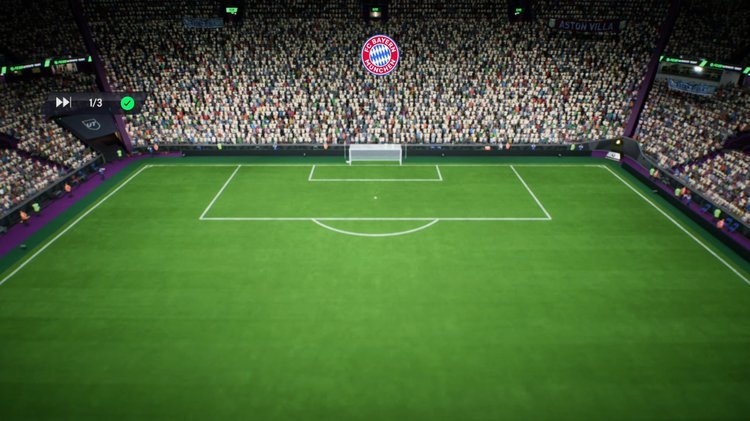
FC 25 had a bug where, if your opponent is using one specific formation, their team doesn’t show up on the loading screen. And that formation? The one that has taken over the game and defined the META?
The 4213.
Why the 4213 is META

There’s a reason players have moved away from the old 4321 or from the beloved 442.
The beloved 4321 of yesteryear relied on one of the forwards dropping into the midfield line to provide defensive coverage, letting you defend in a 442. That midfield line protected the backline well enough before springing into a devastating attack that, at times, saw as many as 5 players in the opposition box at the same time.
This no longer functions the same way in FC 25. Central midfielders contribute far less defensively this year, and forwards contribute less than ever in defense. Formations that lack a dedicated defensive presence can get exposed quickly.
The 4213 doesn't have these problems. Instead of relying on central midfielders to drop back, it uses two dedicated defensive midfielders (CDMs) to protect the backline. It sacrifices one forward in exchange for a CAM, adding a natural link between midfield and attack. The result? A perfectly balanced formation that excels in both defense and attack.
What Makes a Strong 4213 Setup?
The 4213 succeeds because it strikes the perfect balance between defensive solidity and attacking firepower. It is one of the few formations in FC 25 that allows you to defend in numbers while still offering enough options going forward to break down deep blocks and counter at speed.
At its core, the formation builds off a simple but effective structure: a back four, two holding midfielders, a central playmaker, two wingers, and a lone striker. This setup naturally creates layers in both defense and attack, making it adaptable to different phases of the game.
Defensive Stability Without Sacrificing Shape
The most important feature of the 4213 is its double pivot, with two defensive midfielders sitting in front of the backline. This is a necessity in FC 25, where central midfielders provide far less defensive coverage than in previous games.
Instead of relying on a single midfielder to break up play, you have two players protecting the defense at all times. This allows you to absorb pressure without your backline getting exposed.
Typically, these two midfielders also serve different functions when in possession. Deep-lying playmakers are responsible for recycling possession and distributing the ball under pressure, while those set to Holding play a more defensive role, strictly focusing on interceptions, shielding the defense, and rarely venturing forward.
With just these two roles, you can create different combinations that ensure you always have a passing option in build up and a stable defensive foundation, even when pushing forward.
Attacking Layers and Counterattacking Threat
Another key strength of the 4213 is how naturally it transitions into attack. Unlike formations that leave defensive midfielders isolated behind a packed forward line, the 4213 positions its players in a way that always provides a passing option.
The attacking midfielder is the key link between midfield and attack. Sitting just ahead of the double pivot, the CAM is constantly available to receive the ball in space and drive forward.
With two wingers stretching the pitch and a striker leading the line, there are immediate passing options whenever possession is won.
This structure makes the 4213 a nightmare to defend against in transition. The moment you recover the ball, your front four are already in position to break forward.
The wide players force defenders to commit, the CAM finds gaps between the lines, and the striker provides a direct outlet. Against high-pressing teams, this formation offers an easy escape route.
With first-time through balls being as strong as they are on the game, you are always one or two quick passes away from getting in behind the opposition defense.
It's simple. Win the ball, play it forward, and suddenly, you’re attacking with pace.
Controlled Possession and Positional Discipline
Despite its counterattacking potential, the 4213 isn’t just about quick breaks. It is also one of the most structured formations for controlled possession.
This setup mirrors the kind of control seen in real-world teams that use a midfield triangle to dictate play. Clubs like Liverpool have relied on similar setups, using a combination of deep-lying midfielders like Ryan Gravenberch & Alexis Mac Allister and an advanced playmaker like Dominik Szoboszlai to control games.
The 4213 allows for the same kind of structured buildup, where attacks are built methodically rather than rushed.
The result is a formation that thrives in all game states. It can sit deep and absorb pressure, control possession when needed, and hit teams on the break with devastating efficiency. The reason it has become so popular is simple: in FC 25, it does everything well.
The Best 4213 Tactics to Use in FC 25
Counter-Attacking 4213
Code: g#6?31&mqMw
This setup prioritizes defensive solidity, with a disciplined back six and a clear structure in transition. It’s perfect for players who want to absorb pressure and counter with speed, leaving four players upfield for rapid breaks.
If you prefer a low-risk, well-organized approach that frustrates opponents while remaining dangerous on the counter, this is the way to go.

Structured 4213
Code: r#FLKAPy1Y@
A more balanced alternative that provides additional width in possession and defensive support in wide areas. The deep-lying playmaker ensures smoother transitions, while the roaming inside forwards add fluidity to the attack.
This is well-suited for players who want a mix of stability and movement without compromising defensive structure.

Attacking 4213
Code: s#GLHzNz2YA
This version plays more like a 4-4-1-1, with aggressive midfield support in attack. The deep-lying playmakers push forward, and the shadow striker makes late runs into the box, creating overloads.
It’s ideal for players who want a proactive, attacking approach but are willing to take risks defensively.

High-Press 4213
Code: t#HM#&%&3KF
An aggressive variation that presses high and forces turnovers in dangerous areas. The 95 defensive line pushes the team forward, making it function like a hybrid between a 4-4-1-1 and a 4-2-3-1.
If you thrive on relentless pressure and quick attacking transitions, this setup maximizes your ability to suffocate opponents. It's heavy metal football.
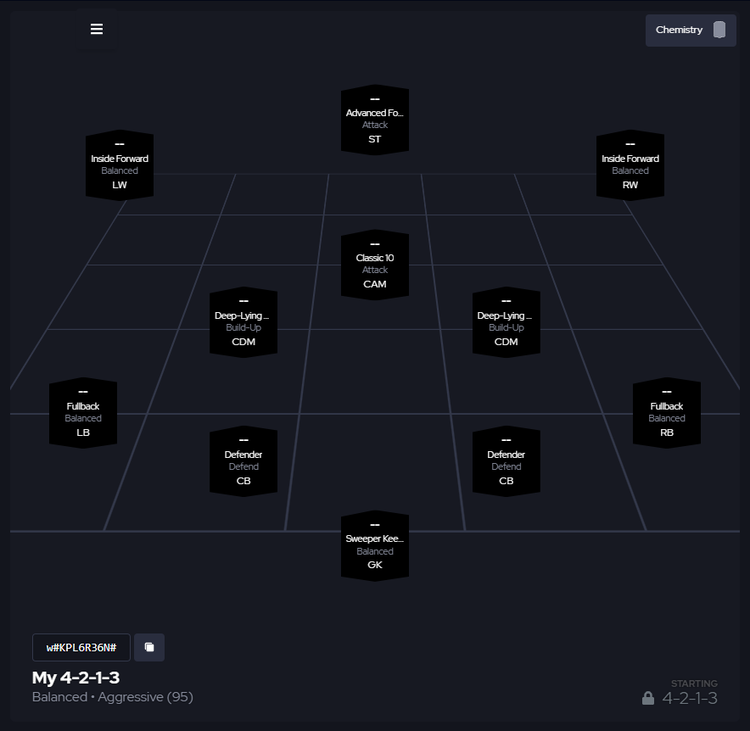
Possession-Based 4213
Code: q#EJF@Px&36
Designed for players who prefer control in possession without overcommitting. By minimizing risk without limiting the attack, it is ideal for gamers at all levels.
This is the best choice for those who want to dominate the ball, dictate the tempo, and break teams down methodically.

How to Play the 4213 at Different Levels
One of the standout qualities of the 4213 is its adaptability. Whether you’re a newcomer trying to find your footing in Division Rivals, an experienced FUT Champs player looking for consistency, or an elite-level gamer competing at the highest levels, this formation has something for everyone.
Beginner to Intermediate Players
For those still developing their gameplay, the 4213 is one of the best formations to learn. It provides both defensive security and attacking options without requiring advanced tactical adjustments.
A balanced setup, like the structured 4213 above, ensures a solid shape while allowing for natural attacking movement. Players at this level could focus on simple build-up play, using the CAM as the main distributor, and letting the inside forwards and striker handle most of the attacking workload.
FUT Champs and Competitive Players
At the higher levels, efficiency is everything. The counter-attacking and possession-based variations of the 4213 listed above really shine here, allowing you to quickly punish your opponents' mistakes while giving you a contingency for when you make a mistake of your own.
A structured build-up using the deep-lying playmakers can help control the tempo and limit risky turnovers, while the balanced defensive line ensures that you're not caught out by fast breaks.
For those comfortable with pressing, the high-press 4213 is a strong option, but it requires strong manual defending to avoid getting exposed.
Elite Division and Pro-Level Play
Against top-tier opposition, the small details make all the difference. It is truly a game of fine margins.
Having a solid formation that allows you to score a variety of goals like the the 4213 is crucial at this level because you have to be secure but unpredictable in how you play.
The possession-based and structured variations allow for patient play, while the high-press and attacking versions offer an aggressive approach when needed. A player at this level might need to cycle between two or three different variations of the 4213 to meet the demands of their match.
The 4213’s natural balance ensures that with the right personnel and decision-making, it can handle any situation thrown at it.
Selecting the Right Players for the 4213
Having the right formation is one thing, but getting the best out of it depends on selecting the right personnel. Playstyles and Playstyle+ dictate how effective a player is in their role, and with the way FC 25 plays, certain playstyles are simply non-negotiable.
CAM: The Orchestrator
Your CAM is the heartbeat of the attack. They dictate tempo, create chances, and are often the difference between breaking down a defense or running into a dead end.
Incisive Pass+ is perhaps the most important playstyle+ for this position, as it ensures pinpoint through balls that send the attackers clean through on goal.
Players like Team of The Year Putellas, Kevin De Bruyne, FUT Birthday Isco, and even the free Jude Bellingham EA Sports gifted us months ago fit the bill.
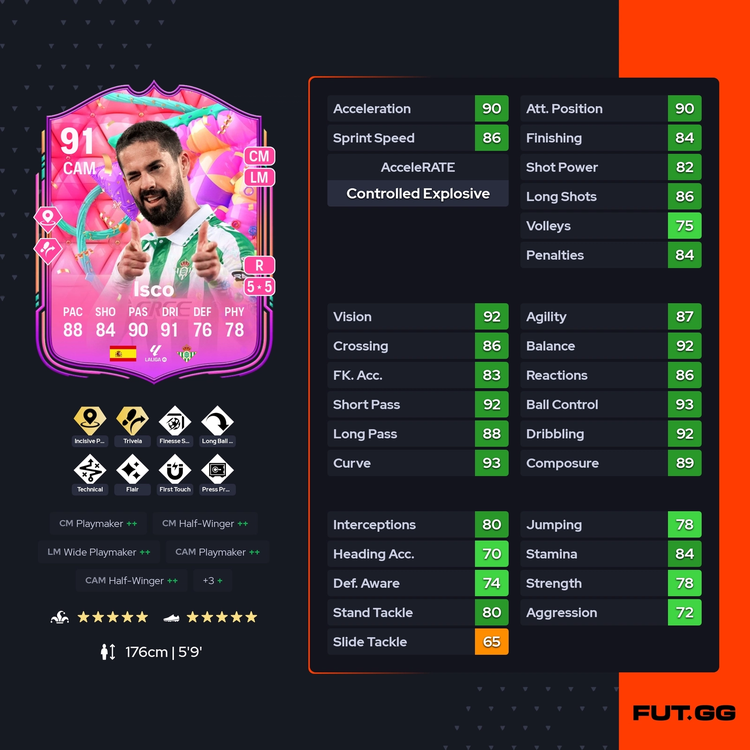
They combine passing precision with goal-scoring ability, making them genuine dual threats. TOTY Putellas, for example, is the complete package. With 5-star skills, a 5-star weak foot, and Finesse Shot+, she can create and finish at an elite level.
If you cannot find a CAM with incisive pass+, you can still find great success without it. Even players without passing Playstyle+, like Zidane, remain fantastic options because of their natural passing qualities.
A well-rounded #10 should also have good dribbling and at least one shooting Playstyle+ to pose a threat from distance or in tight spaces.
The Attackers: Pace and End Product
Speed kills in FC 25, and your front three must be lightning-fast. Rapid+ and Quick Step+ are essential, with Rapid+ being particularly deadly on wingers and Quick Step+ giving strikers that explosive acceleration in the box.
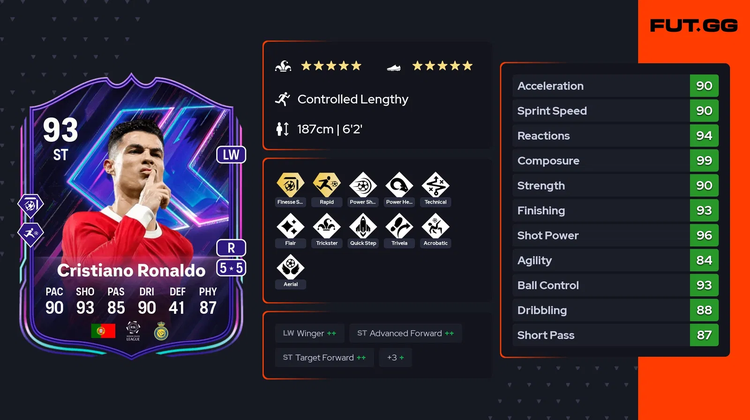
For finishing, Finesse Shot+ is the gold standard. It’s the most effective shooting Playstyle+ in the game, ensuring clinical 1-v-1s and outrageous curlers that would be impossible otherwise. A striker with Rapid+ and Finesse Shot+, like Flashback Cristiano Ronaldo, is about as automatic as it gets.
Wingers in this system are essentially wide forwards so they have similar requirements to the striker. You want them to be quick, skillful, and have an eye for goal.
The best examples of attackers built for this system include Barcola, Athenea, Savinho, and Rafael Leão. Their combination of pace, dribbling, and finishing make them ideal for the fluid attacking movement in the 4213.
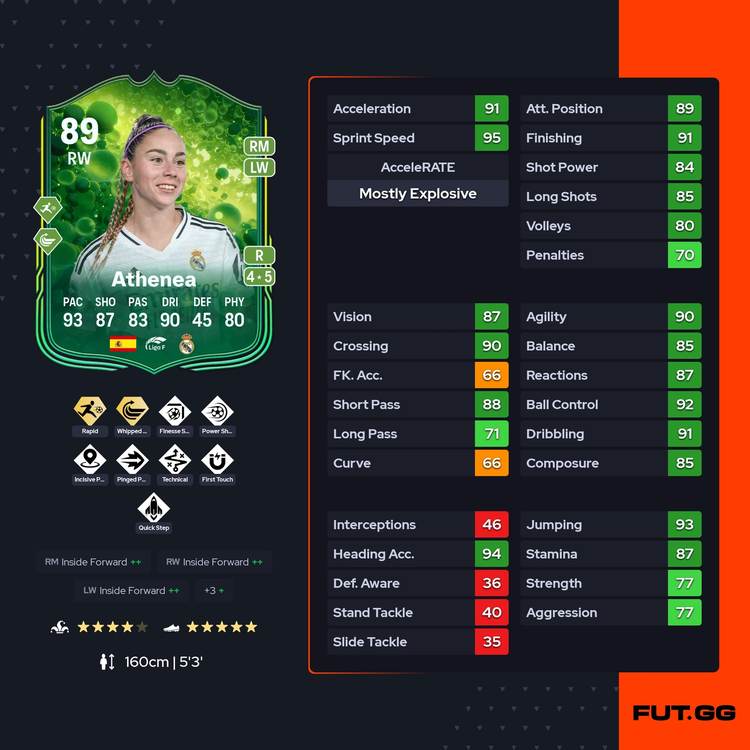
All your forwards should ideally have some passing and dribbling Playstyles to complement their speed. Tiki Taka allows for quick, first-time passes, while Pinged Pass allows for laser-accurate cutbacks.
For dribbling, Press Proven and Technical help retain close control, making it easier to weave through defenses and create chances.
All of these combine to give you a dynamic attack that can do it all. You will never be limited and your opponents will always have a hard time stopping you.
The CDMs: Defensive Awareness and Passing Range
The two CDMs provide the foundation of the formation, and their Playstyles need to reflect their roles. The holding CDM should focus on defensive Playstyles like Anticipate+, Intercept+, and Bruiser+ to stop attacks before they develop. Someone like Vieira or Oberdorf fits this mold perfectly.
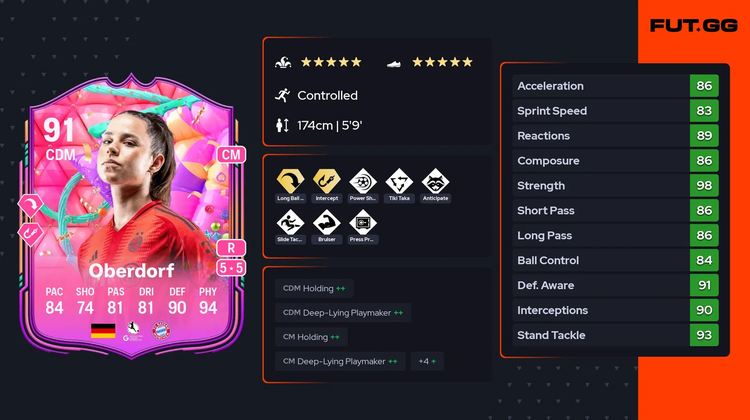
For the deep-lying playmaker, passing ability is just as important as defensive solidity. Incisive Pass, Pinged Pass, and/or Tiki Taka are all great for dictating play and launching counters. Fantasy Tchouaméni, Rodri, and João Neves are great choices here, with each offering a slightly different balance of passing and defending.
A deep-lying playmaker with the defend focus plays more like a traditional CDM, similar to Tchouaméni, while one with the build-up focus takes on more of a CM role in possession, like Vitinha.
Choosing the right CDM setup is key to maximizing the formation’s strengths.
The Defenders: Strength and Reliability
The best defenders in FC 25 are those who can win duels, cut out passes, and hold their ground against quick attackers. Anticipate+, Intercept+, and Bruiser+ are essential for CBs, ensuring they can deal with both pace and physical strikers. Someone like Fantasy Tchouaméni at CB is perfect. Tall, strong, and comfortable on the ball.
For fullbacks, defensive solidity is preferred over attacking output. Theo Hernández is the most META fullback in the game so look for players made in his image, combining pace, strength, and defensive awareness.
Playstyles like Anticipate and Intercept make a huge difference out wide, but Bruiser+ seems to be the most effective playstyle in these positions.
Naturally, players like Ridle Baku andMyles Lewis-Skelly are very good fullbacks to use in your 4213.

Not every defender needs every Playstyle, but having a mix ensures a well-rounded backline. Choosing the right players for the 4213 is about more than just ratings. It’s about finding the right Playstyle+ combinations that enhance the way you want to play.
With the right personnel, this formation reaches its full potential, offering a perfect balance between defensive solidity and attacking firepower.
Why You Should Be Using the 4213
If there’s one formation in FC 25 that feels like it was designed to suit the game’s mechanics perfectly, it’s the 4213. The mix of defensive stability, attacking variety, and user-friendliness makes it the go-to setup for players at all levels.
- It’s the Most Balanced Formation Right Now – The 4213 defends with six players and attacks with (at least) four, ensuring a natural balance between both phases of play.
- Perfect for FC 25’s Defensive Meta – With defending slightly harder than in previous years, the presence of two CDMs provides essential cover in midfield.
- It Works for Everyone – Unlike some formations that require more skill or tactical knowledge, the 4213 feels almost like a plug-and-play formation that is suitable for all players.
- It Offers Multiple Styles of Play – Whether you want to control possession, play on the counter, or press aggressively, the 4213 accommodates every approach.
- It’s the Current META for a Reason – There’s a reason why top players, casual gamers, and content creators alike have all gravitated toward this system. It just works.
At the end of the day, tactics in this game of ours will always evolve, and new trends will emerge. But right now, if you’re looking for a system that provides both structure and flexibility, there’s no better option than the 4213.
That concludes this tactic breakdown. Keep an eye on the FUT.GG news section for more. What is your favourite formation and tactic in FC 25? Let us know below!